
Posts Tagged ‘medicinal’
Over medicated America – a few figures to understand why cannabis is still illegal
 February 9th, 2012 |
  Author:
 Here’s a chart that puts into simple words and figures a system that shows no benefits:
 Click on image to enlarge. Created by: Medical Billing and Coding Online
Read the rest of this entry »
 Posted in News |
  Tags: cancer treatment, cannabis, Cannabis News, Cannabis Research, Cannabis Science, FDA, health, legal drugs, medicinal, Medicinal cannabis, over-medicated, profit, skin cancer, Society and Cannabis |
  3 Comments »
Medicinal Cannabis and its Impact on Human Health
In this myth shattering, information packed documentary, learn from physicians and leading researchers about medicinal cannabis and its demonstrated affects on human health. This game-changing movie presents the most comprehensive synopsis to date of the real science surrounding the world’s most controversial plant.
Executive Producer: James Schmachtenberger
Director & Producer: Lindsey Ward
Director of Photography: Troy Brajkovich
Read the rest of this entry »
Why Medicinal Marijuana Is Here to Stay
“We are not far from a time when pot will be hailed as a wonder drug.”
The following is the text of a speech by Lester Greenspoon, M.D. recently delivered to the 2011 NORML conference.
 In 1967, because of my concern about the rapidly growing use of the dangerous drug marijuana, I began my studies of the scientific and medical literature with the goal of providing a reasonably objective summary of the data which underlay its prohibition. Much to my surprise, I found no credible scientific basis for the justification of the prohibition. The assertion that it is a very toxic drug is based on old and new myths. In fact, one of the many exceptional features of this drug is its remarkably limited toxicity. Compared to aspirin, which people are free to purchase and use without the advice or prescription of a physician, cannabis is much safer: there are well over 1000 deaths annually from aspirin in this country alone, whereas there has never been a death anywhere from marijuana. In fact, when cannabis regains its place in the US Pharmacopeia, a status it lost after the passage of the Marijuana Tax Act of 1937, it will be seen as one of the safest drugs in that compendium. Moreover, it will eventually be hailed as a “wonder drug” just as penicillin was in the 1940s. Penicillin achieved this reputation because it was remarkably non-toxic, it was, once it was produced on an economy of scale, quite inexpensive, and it was effective in the treatment of a variety of infectious diseases. Similarly, cannabis is exceptionally safe, and once freed of the prohibition tariff, will be significantly less expensive than the conventional drugs it replaces while its already impressive medical versatility continues to expand. Read the rest of this entry »
Posted in News |
Tags: Harvard Medical School, legalize, Lester Grinspoon, medicinal, medicinal marijuana, norml, Quotes & Opinions, Society and Cannabis, wonder drug |
No Comments »
Medicinal cannabis patients classed as ‘drug addicts’ by Oregon sheriffs
Despite the amount of illegal firearms and genuinely harmful drugs that America seems to be knee-deep in, police in Oregon are concerned that card-holding medicinal marijuana users might be legally carrying guns.
Under the U. S. Gun Control Act of 1968, guns may not be sold to drug addicts. Most people would agree that this is a good idea, as the mental image of a ‘drug addict’ is almost always negative: shaking, dirty, paranoid, and incapable of rational thought. Nobody wants to arm that person.
Read the rest of this entry »
Posted in News |
Tags: cannabis, Cannabis News, drugs, government, Legalisation, legislation, marijuana, medical, medical marijuana, medicinal, Medicinal cannabis, medicine, society, Society and Cannabis, USA |
No Comments »
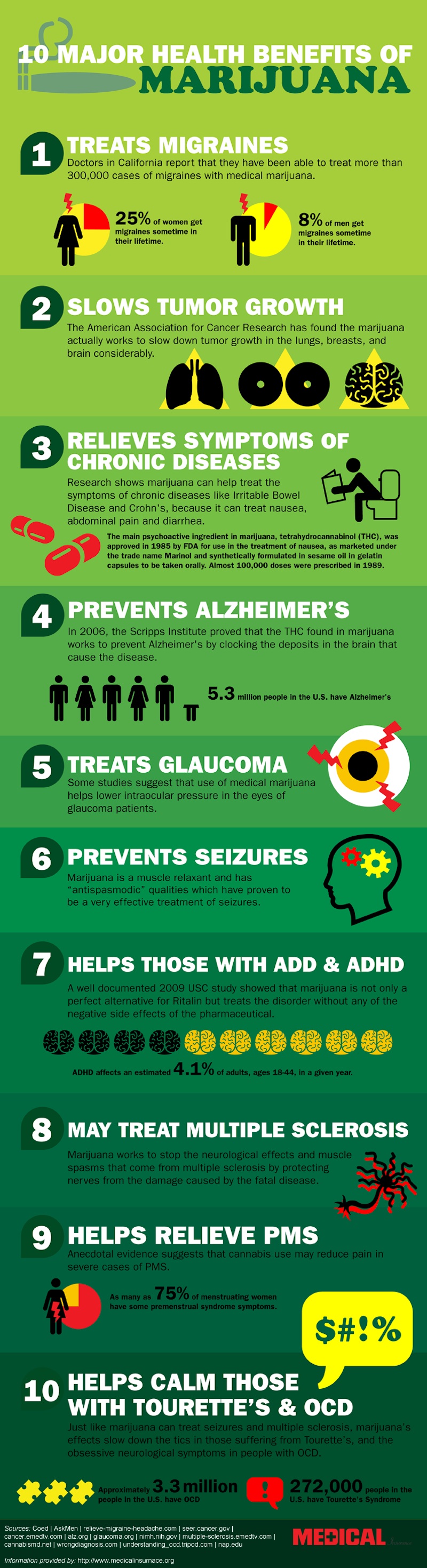
10 Facts about medicinal cannabis
 Posted in News, Useful articles |
Tags: ADD, ADHD, Alzheimers, cannabis, chronic disease, glaucoma, marijuana, medicinal, migraine, multiple sclerosis, OCD, PMS, seizure, Tourette Syndrome, tumor |
No Comments »
Posted in News, Useful articles |
Tags: ADD, ADHD, Alzheimers, cannabis, chronic disease, glaucoma, marijuana, medicinal, migraine, multiple sclerosis, OCD, PMS, seizure, Tourette Syndrome, tumor |
No Comments »
Czech police wants to use seized cannabis for treatment
Well it’s definitely an idea only a cop could come up with, but while being surrealistic, it seems to reignite the debate on medical cannabis in a country where all drugs are already decriminalized in small amount.
Obviously the Justice Minister of the Czech Republic sees in this idea an opportunity to lower costs for his ministry not to dismiss it, but the expert quoted in the original article is right about the quality of the cannabis grown in illegal operations. It’s just not grown for such purpose.
Read the rest of this entry »
Posted in News |
Tags: cannabis, Cannabis News, Czech Republic, decriminalized, drugs, legalize, legislation, marijuana, medical cannabis, medicinal, police, Police & Cannabis, seizure, treatment, weed |
No Comments »
Canadian study shows relief for chronic neuropathic pain
 There’s now more scientific evidence for what many patients have known for awhile: Smoking marijuana can ease chronic neuropathic pain and help patients sleep better, according to a team of researchers in Montreal.
But many politicians and medical personnel have been reluctant to advocate medical marijuana because, even though patients champion its use, there have been calls for more scientific studies.
All of the patients rotated through each of the four dosages, with nine days of no smoking in between.
Read the rest of this entry »
Posted in News |
Tags: Canada, cannabis, Cannabis News, Cannabis Research, Cannabis Science, chronic pain, clinical trial, higher potency marijuana, marijuana, medical marijuana, medicinal, Montreal, nervous system, neuropathic pain, pain relief, post traumatic pain, smoked cannabis, Smoking Products, study |
No Comments »
Germany: Lawmakers ready to approve use of medical marijuana
Medical cannabis will be available in Germany soon, with the center-right coalition preparing to make groundbreaking changes to drug laws, a government health spokeswoman said this week. Cannabis was illegal throughout Germany until the federal constitutional court decided on 28 April 1994 that people need no longer be prosecuted for possession of soft drugs for [...]
Read the rest of this entry »
Posted in Seeds, Useful articles, Weed growing |
Tags: cannabinoid, cannabis, Cannabis News, drug tsar, Germany, hashish, law, Legalisation, legalization, medical marijuana, medicinal, Medicinal cannabis, pain relief, soft drugs |
No Comments »
Colorado companies allowing their employees to use medical marijuana?
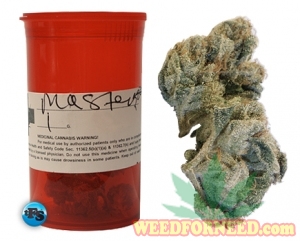 When it comes to medical marijuana, Colorado employers are caught between conflicting laws.
Read the rest of this entry »
Rick Simpson – Freedom Fighter of the Year 2009
 Last week during the High Times Cup 2009, Rick Simpson was awarded with the title Freedom Fighter Of The Year 2009. We feel that Rick Simpson is one of the people that truly deserves this title.
Read the rest of this entry »
Posted in News |
Tags: Canada, cancer, Cannabis News, Cannabis Oil, medical marijuana, medicinal, medicine, Parkisons disease, RCMP, Rick Simpson, Society and Cannabis, THC |
No Comments »